
Neurodevelopmental Support
ADHD, autism spectrum differences, developmental complexity, behavior, emotional regulation, and learning-related concerns.
Pediatrics & Family Health
At SANAVITA Health, Pediatrics & Family Health is designed for families who want more than a rushed visit. Led by Dr. Thiago Cavalcante, NMD, this branch of care supports newborns, children, teens, young adults, parents, and whole families through a naturopathic, relationship-centered approach.
How Care Works
Pediatric care begins with listening. We take time to understand your child’s health history, development, daily routines, and your family’s concerns before developing a personalized approach.

An in-depth discussion of medical history, symptoms, developmental considerations, family priorities, and daily routines.

Individualized recommendations guided by clinical findings, age, health needs, nutrition, lifestyle, and appropriate testing when indicated.

Practical parent education, clear explanations, follow-up, and ongoing adjustments based on the child’s response and evolving needs.
Services
Choose an area to see what care can include. Each one begins the same way: a conversation about your child, your family and your goals.

Proactive check-ins that follow your child’s growth, development and milestones, with time for your questions about nutrition, sleep and everyday health.
Care may include
From the pediatric library

Support for picky eating, feeding challenges and digestive concerns, built around how your family actually eats.
Care may include

A whole-child look at frequent infections, allergy-related concerns and immune balance, considering nutrition, sleep, environment and gut health together.
Care may include
This care works alongside your child’s pediatrician and, when needed, an allergist or other specialist.

Thoughtful support for attention, behavior, learning, mood and developmental concerns, informed by Dr. Cavalcante’s fellowship training in pediatric functional and integrative psychiatry.
Care may include
This care does not diagnose autism, ADHD or developmental conditions, and complements developmental, psychological or specialist evaluation.
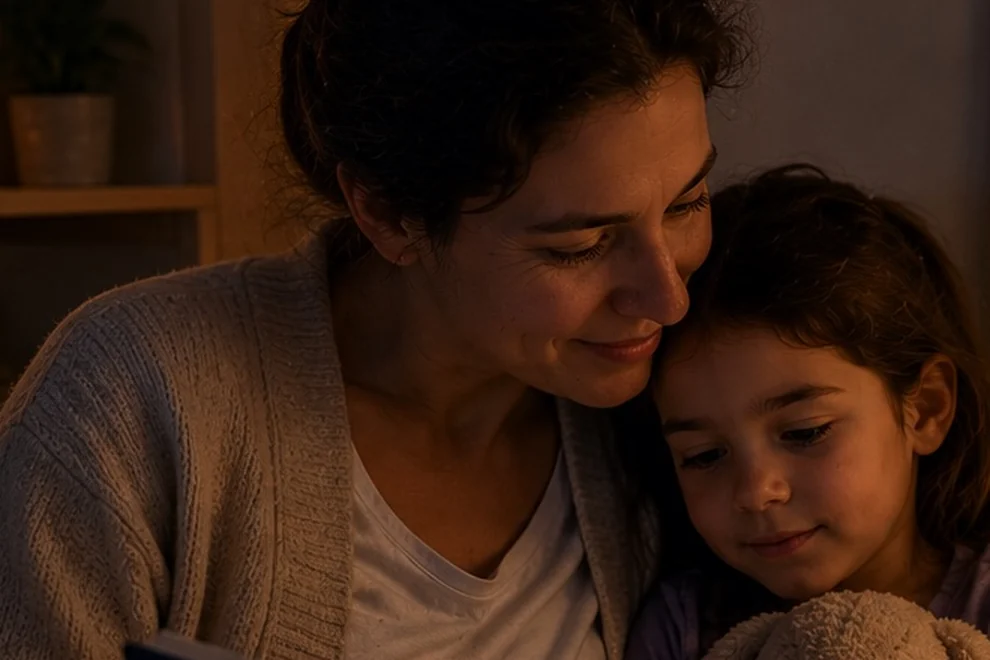
Restful sleep and steady daily rhythms support growth, learning and mood. We look at routines, environment and what may be getting in the way of rest.
Care may include

Guidance for common, short-term concerns such as fevers, focused on comfort, recovery and knowing when conventional or urgent care is needed.
Care may include
From the pediatric library
SANAVITA Health is not an urgent care or emergency care facility. Some symptoms require immediate in-person evaluation. When in doubt, families should seek urgent or emergency medical care.

Practical education for parents and support for the whole household: nutrition, routines, stress, sleep rhythms and environmental health, so healthy habits work at home.
Care may include
New to SANAVITA Health? Please begin with a Free Discovery Call before booking a New Patient Visit. Established patients may book the appropriate visit type directly.
Not sure where your child’s needs fit?
Schedule a Free Discovery CallLabs & Testing
When clinically appropriate, targeted testing may help reveal patterns that are difficult to see from symptoms alone.
Not every child needs advanced testing. For children with chronic, recurring, or complex concerns, labs can sometimes provide helpful clues. Dr. Thiago Cavalcante, NMD interprets results within the context of your child's history, symptoms, development, nutrition, sleep, environment, and family goals. Each result is considered one piece of a larger puzzle — not a standalone answer.
Your Child's
Health Story
Chronic or complex concerns rarely come from a single factor. Our goal is to understand the pattern, not chase isolated results.

Testing Categories
Think of each test as one clue. A stool test may offer insight into gut-brain patterns. Nutrient testing may reveal support needs for growth, energy, mood, or immune resilience. Environmental testing may point toward exposures worth addressing. Together, these clues can help guide a more personalized and practical care plan.
Basic bloodwork can provide a broad overview of health patterns — including blood count, iron status, metabolic markers, liver and kidney function, thyroid patterns, vitamin D, and other foundational markers when appropriate.
Clues it may provide
Some children may benefit from a closer look at nutritional status, micronutrients, amino acids, fatty acids, blood sugar patterns, mitochondrial-related markers, or metabolic stress patterns when clinically appropriate.
Clues it may provide
Digestive testing may help evaluate stool patterns, microbiome balance, digestion, absorption, and possible microbial imbalances. The gut-brain connection can be an important part of understanding behavior, mood, and development.
Clues it may provide
In some cases, food-related immune reactivity testing may help identify patterns that can be interpreted alongside symptoms, diet history, digestion, skin concerns, behavior, and other clinical findings.
Clues it may provide
Food sensitivity testing provides one piece of the picture and is interpreted carefully alongside the child's full clinical history. It is not definitive or required for every child.
For children with recurring or complex concerns, immune and inflammatory markers may help clarify whether the body is showing patterns of ongoing immune activation or inflammatory burden that warrant further attention.
Clues it may provide
Environmental testing may be considered when there is concern about mold exposure, heavy metals, chemical exposures, or other environmental contributors. Results are interpreted carefully within the full clinical context.
Clues it may provide
In certain chronic or complex presentations, testing may help evaluate whether infectious or immune-trigger patterns could be contributing to the child's symptom picture. These findings are interpreted carefully and within appropriate clinical context.
Clues it may provide
Findings are considered one part of the clinical picture and do not constitute a diagnosis of infectious or immune-triggered conditions.
For some children and teens, testing may help evaluate patterns related to stress physiology, cortisol rhythm, thyroid function, puberty-related hormones, or sleep-related health factors when clinically appropriate.
Clues it may provide
For children with attention, behavior, learning, sensory, developmental, or emotional regulation concerns, testing may help identify supportive patterns related to nutrition, gut-brain health, inflammation, metabolism, environmental exposures, and immune triggers.
Clues it may provide
Testing does not diagnose autism, ADHD, learning differences, developmental delays, or behavioral conditions. Findings are considered alongside the child's full developmental, medical, and family context.
Patients are responsible for lab costs. Coverage or reimbursement may vary depending on the lab, test type, and insurance plan. Testing recommendations are individualized and discussed with families.
A 12-month physician-guided program for complex neurodevelopmental support.
NeuroWell is a family-centered program designed to support children with more complex neurodevelopmental needs. This structured, physician-guided program helps families navigate layered concerns involving behavior, mood, development, digestion, sleep, immune and inflammatory patterns, environmental health, and nutrition.
NeuroWell supports children with concerns such as developmental delays, sensory differences, attention and behavioral challenges, learning differences, autism spectrum support needs, PANS/PANDAS-adjacent concerns, sleep dysregulation, gut-brain concerns, and related neurodevelopmental patterns.
What the program includes

NeuroWell is not a cure-based program and does not guarantee specific outcomes. The program is designed to provide structured naturopathic support, education, and care planning for families navigating complex neurodevelopmental needs.
Your Physician
Dr. Thiago Cavalcante, NMD provides Pediatrics & Family Health services at SANAVITA Health. His approach is warm, thorough, and family-centered, with an emphasis on helping parents better understand their child’s health and feel more confident in the next steps.
He trained in medicine across two countries and brings depth in pediatric and family care, neurodevelopmental health, and integrative psychiatry — meeting each family with time, attention, and a whole-child perspective.

A Deeper Lens for Complex Cases
Some children need more than a symptom-by-symptom approach. Dr. Cavalcante's advanced fellowship training in Pediatric Functional & Integrative Psychiatry supports a broader clinical lens for children and teens with layered concerns involving behavior, mood, development, digestion, sleep, immune triggers, environmental exposures, nutrition, and family stressors.
Psychiatry Redefined
An advanced fellowship program focused on helping clinicians better understand the biological, nutritional, metabolic, environmental, developmental, and family-based contributors that can influence child and adolescent mental health.
This fellowship was completed in 2026. It reflects advanced professional development and continuing clinical education — not board certification in psychiatry or any other licensed specialty.
This advanced training supports a broader whole-child assessment framework for children and teens with layered concerns. It does not replace pediatric, psychiatric, psychological, or emergency care.
ADHD, autism spectrum differences, developmental complexity, behavior, emotional regulation, and learning-related concerns.
Nutrition, micronutrient status, gut microbiome, digestion, inflammation, and the gut-brain connection.
Layered cases involving immune triggers, environmental exposures, infections, mold, Lyme, PANS/PANDAS considerations, mast cell concerns, and complex symptom patterns.
Targeted lab assessment, biomarkers, nutritional patterns, metabolic health, inflammation, hormones, and individualized case interpretation.
Featured Resources
Children’s health, development, immune resilience, nutrition, sleep, and whole-family wellness.

Foundations of Child Health
What naturopathic medicine prioritizes in a baby’s first year — feeding, sleep, digestion, and development, supported with time and education.

Foundations of Child Health
Why the first 1,000 days shape a child’s microbiome, and the gentle daily habits that can support gut health over time.

Foundations of Child Health
A calm, research-informed guide to fever in children — when to support at home, and when to seek care promptly.
Choosing care for your child is personal. At SANAVITA Health, we believe families deserve time, clarity, and a supportive relationship with a physician who listens.
PediatricsLed by Dr. Thiago Cavalcante, NMD
Book Now