The short version
Inflammation is one of the body's most important defenses: it fights infection and repairs injury. Problems arise when it does not switch off. Chronic, unresolved inflammation can damage DNA, change the tissue around cells and help tumors grow, and some of the clearest examples come from long-term infections and inflammatory diseases. The encouraging part is that several everyday drivers of inflammation — inactivity, excess body fat, poor sleep and untreated infections — can be addressed. This article explains how inflammation and cancer are connected, what a large heart trial unexpectedly revealed, and what can be done safely.
Inflammation is not always bad
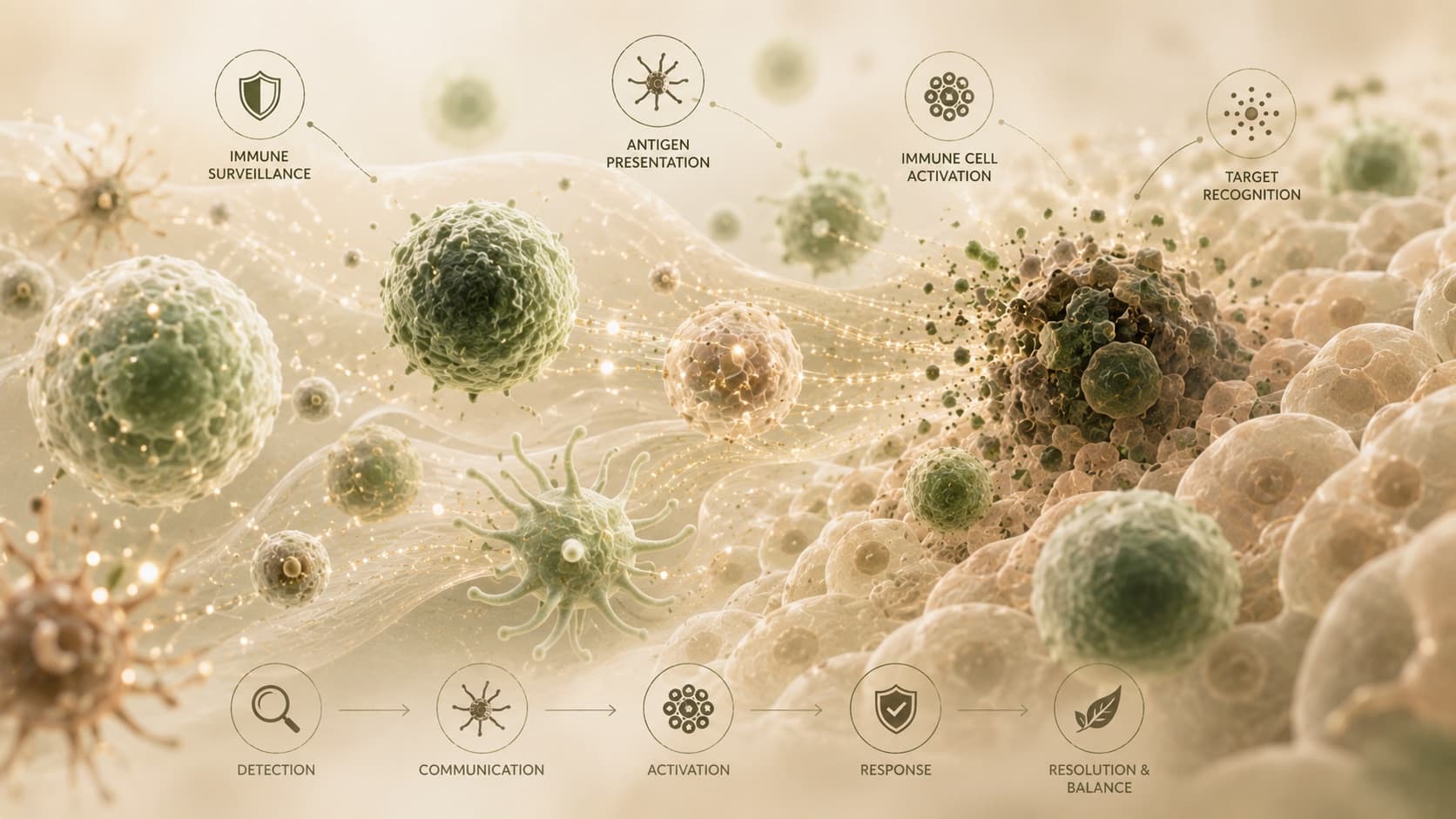
Inflammation helps the body respond to infection and injury. The concern is chronic, unresolved inflammation that can shape tissue environments, immune signaling, DNA stress, and tumor biology (Greten, Immunity, 2019).
How chronic inflammation can promote cancer
Inflammation can contribute to every stage of cancer, from its beginnings to its growth and spread (Greten, Immunity, 2019). Inflammatory signaling molecules such as TNF-alpha and IL-6 can generate reactive molecules that damage DNA, and they are involved in the processes tumors use to form new blood vessels and spread. Two well-studied examples of cancers linked to chronic inflammatory disease are colorectal cancer that develops after long-standing colitis, and bile duct cancer (Landskron, Journal of Immunology Research, 2014).
Infections: the clearest link
Some long-term infections are among the best-established causes of cancer. Worldwide, an estimated 2.2 million cancer cases in 2018 were attributable to infections, led by Helicobacter pylori (a stomach bacterium), human papillomavirus (HPV), and the hepatitis B and C viruses. The researchers concluded that prevention programs targeting these infections could markedly reduce the global cancer burden (de Martel, Lancet Global Health, 2020).
In practice, this is one reason HPV and hepatitis B vaccination, and testing and treatment for H. pylori and hepatitis C when appropriate, matter for cancer prevention.
What a heart trial revealed
The CANTOS trial tested canakinumab, a drug that blocks the inflammatory signal interleukin-1β, in 10,061 people who had had a heart attack and had an elevated level of C-reactive protein (CRP), a marker of inflammation. In an exploratory analysis, people taking the higher doses developed lung cancer less often and were less likely to die of it. But fatal infections were more common with the drug, overall death rates did not differ, and the authors described the findings as hypothesis-generating, needing confirmation in trials designed for cancer (Ridker, Lancet, 2017).
The lesson is a useful one: calming inflammation can matter, but powerful anti-inflammatory treatments carry real trade-offs, and a promising signal is not the same as a proven benefit.
Where inflammation can come from
Potential contributors include infections, obesity, insulin resistance, poor sleep, stress physiology, dysbiosis, environmental exposures, periodontal disease, autoimmune activity, and sedentary patterns. Each patient’s drivers are different.
What lowers inflammation
Some everyday factors have measurable effects on inflammatory markers:
- Exercise. In a meta-analysis of 83 trials, exercise training lowered CRP. The effect was larger when exercise was accompanied by weight or body-fat loss, but it was present even without weight loss (Fedewa, British Journal of Sports Medicine, 2017).
- Sleep. In a review of 72 studies including more than 50,000 people, sleep disturbance was associated with higher levels of CRP and IL-6 (Irwin, Biological Psychiatry, 2016).
- Body fat. In the same exercise meta-analysis, reductions in body mass index and body fat were linked with larger falls in CRP (Fedewa, British Journal of Sports Medicine, 2017).
Measuring inflammation
Blood tests such as CRP can reflect inflammation, but they are not specific: a high value can come from an infection, an injury, an autoimmune flare or the cancer itself. During cancer treatment, a raised marker is a reason to contact your oncology team, not to start an anti-inflammatory supplement. Over the longer term, trends can be useful when they are read alongside symptoms, function and other tests.
What can be addressed safely
A plan may include nutrition, physical activity, sleep repair, oral health, gut health, medication review, stress physiology support, and targeted lab monitoring. Anti-inflammatory supplements should be reviewed for bleeding risk, liver metabolism, drug interactions, and treatment timing.
The bigger picture
Inflammation is one part of terrain, not the whole story. It should be integrated with oncology treatment, functional status, lab trends, and the patient’s goals.
Practical takeaways
- Inflammation is a normal and necessary process — the concern is inflammation that stays switched on.
- Some of the clearest links between inflammation and cancer involve long-term infections, many of which are preventable or treatable.
- A raised inflammatory marker during treatment means infection or disease activity until your oncology team says otherwise.
- Sleep, movement, dental health and adequate protein do more for inflammatory balance than supplements.
- Do not treat an inflammatory marker as a target in isolation.
How SANAVITA Health approaches this
SANAVITA Health provides physician-led integrative oncology education and support with a focus on clarity, safety, whole-person care, and collaboration. The goal is to help patients understand their options, reduce avoidable risk, and build a supportive plan that fits their diagnosis, treatment phase, values, and care team recommendations.