The short version
Natural killer (NK) cells are fast-acting immune cells that can recognize and destroy some cancer cells and virus-infected cells without needing prior training. People with low natural killing activity in their blood appear to have a higher risk of cancer, and NK cells are now being developed as a cancer treatment in their own right. So it is natural to ask whether you can strengthen them. The honest answer: regular physical activity and good sleep support healthy NK cell function, but no supplement or test has been shown to improve cancer outcomes by targeting NK cells. This article explains what NK cells do, what the evidence shows, and where caution is needed.
What NK cells do
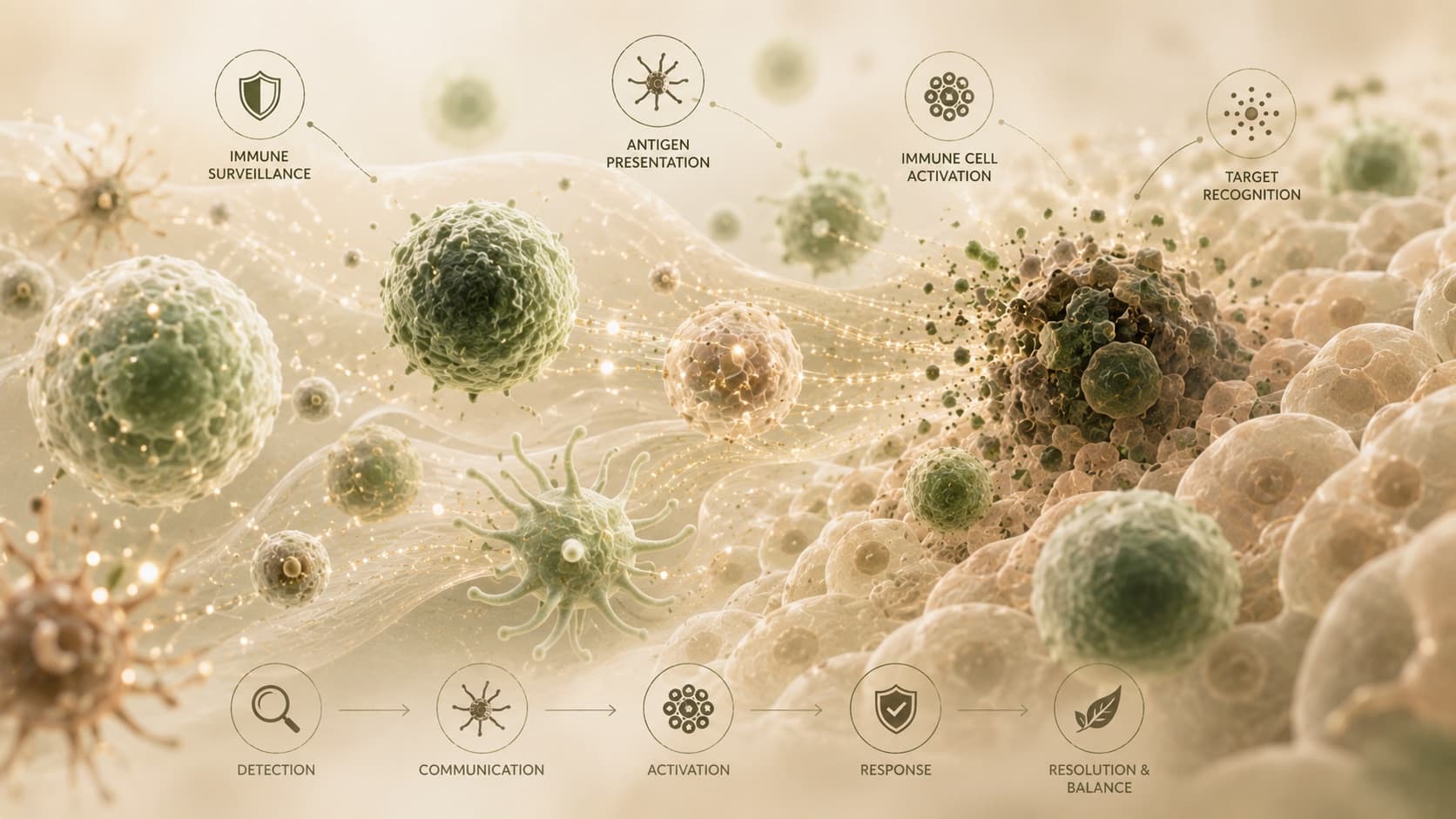
Natural killer cells are immune cells involved in surveillance against virally infected and abnormal cells. They are part of innate immunity and interact with many other immune pathways involved in cancer biology (Deng, Biomedicines, 2021).
How NK cells find their targets
T cells, another type of immune cell, recognize specific protein fragments that cells display on molecules called MHC. NK cells work differently. They carry receptors that detect stress-induced proteins on cancer cells, and they are held back by MHC molecules on healthy cells. That gives NK cells an advantage against tumors that have stopped displaying MHC molecules in order to hide from T cells (Wolf, Nature Reviews Immunology, 2023).
Evidence from people
In a Japanese study of 3,625 adults followed for 11 years, people whose blood lymphocytes showed medium or high natural killing activity at the start had roughly 40 percent lower cancer risk than those with low activity (Imai, Lancet, 2000). This is observational evidence. It does not show that raising NK activity lowers cancer risk, but it supports the idea that natural immune defenses matter.
What patients can control
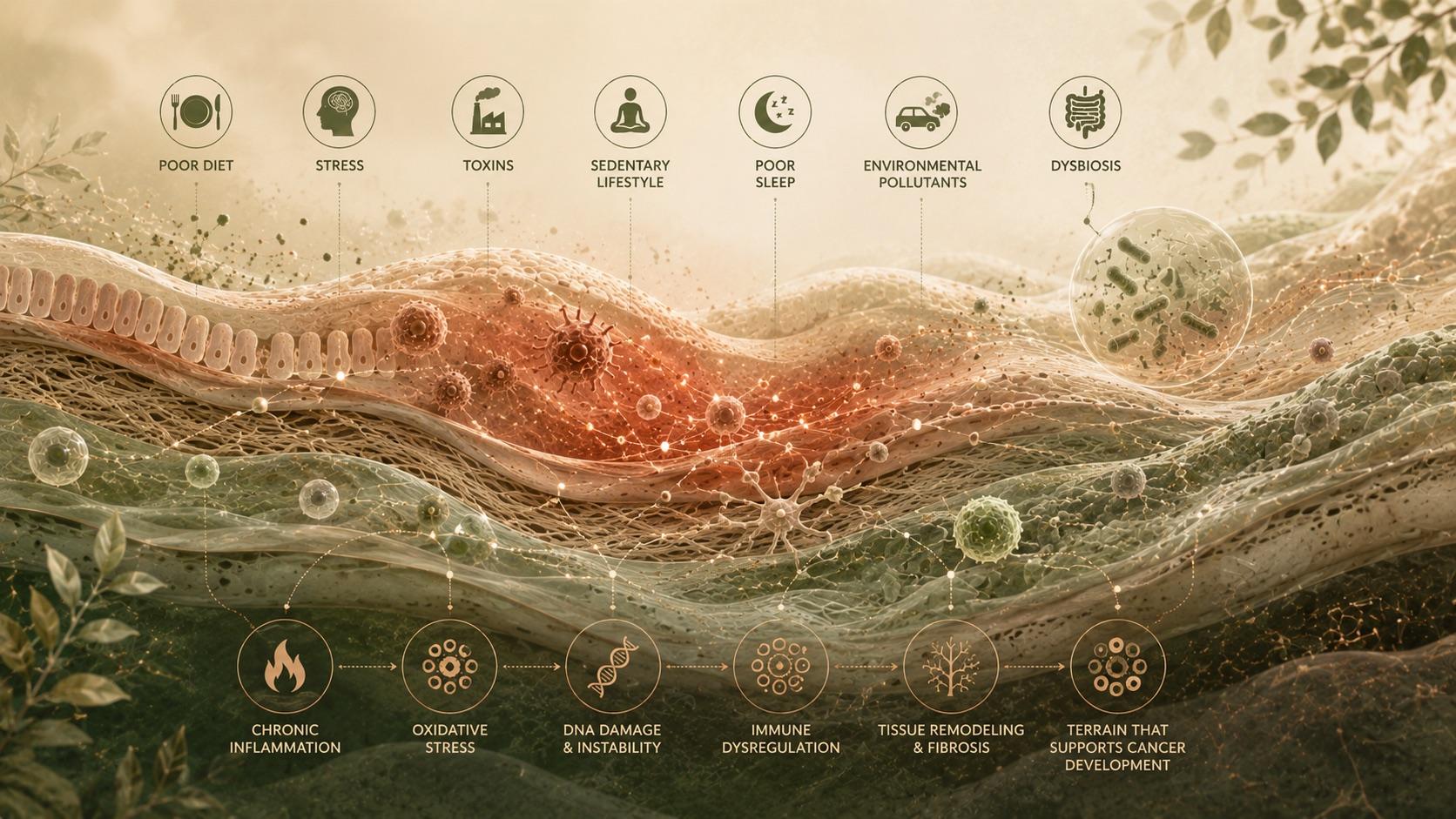
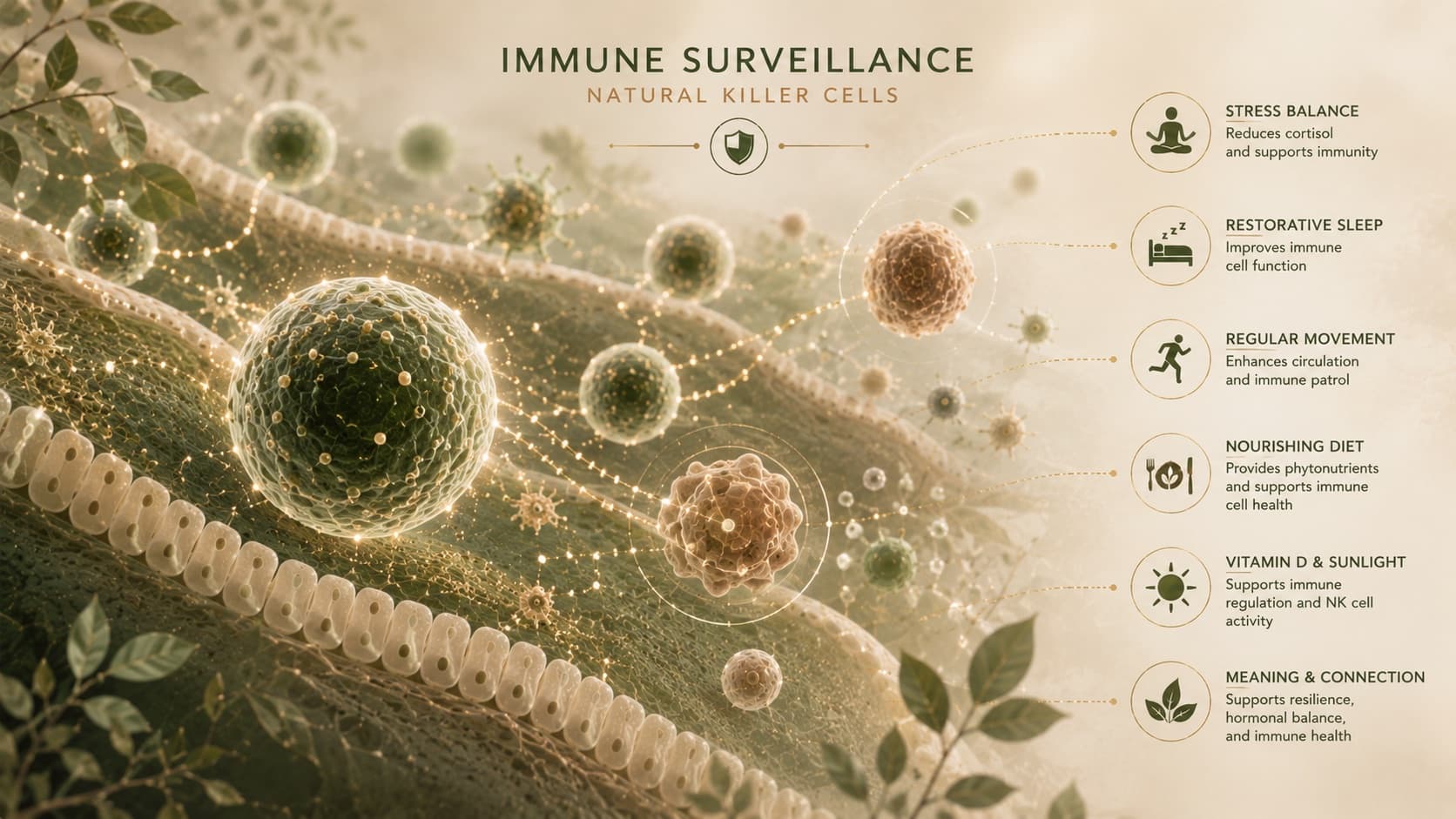
Lifestyle factors such as sleep, physical activity, stress physiology, nutrition status, and inflammation may influence immune function. However, no lifestyle practice guarantees NK-cell activity against cancer.
Exercise and NK cells
Physical activity is the best-studied lifestyle influence on NK cells. During and after exercise, immune cells including NK cells are redistributed around the body. A major review concluded that the temporary drop in blood lymphocytes after exercise reflects cells moving into tissues — a state of heightened immune surveillance, not immune suppression — and that regular exercise most likely improves immune competence across the lifespan (Campbell, Frontiers in Immunology, 2018).
Animal research suggests why this might matter for cancer. In mice, voluntary wheel running reduced tumor incidence and growth by more than 60 percent across five tumor models, and the effect depended on NK cells mobilized by adrenaline (epinephrine) (Pedersen, Cell Metabolism, 2016). Mouse results do not translate directly to people, but in people with cancer, exercise during treatment improves fitness, strength and fatigue (Ligibel, Journal of Clinical Oncology, 2022).
Sleep and NK cells
Sleep matters too. When 42 healthy men were kept awake from 10 p.m. to 3 a.m., their NK cell activity fell; it returned to baseline after a night of recovery sleep (Irwin, FASEB Journal, 1996). One short night is recoverable, but regular, sufficient sleep is part of immune health.
What weakens NK cells
The same review that describes NK cells' role in surveillance reports that smoking, alcohol consumption, stress, obesity and aging are all associated with poorer NK cell function in people, while adequate sleep and moderate exercise are associated with healthier NK cells (Deng, Biomedicines, 2021). These are associations rather than proof of cause, but they point in the same direction as the wider evidence on health and longevity — and several of them can be changed.
Practical support
Foundational strategies include regular sleep timing, protein adequacy, resistance and aerobic exercise when safe, infection prevention, adequate vitamin D status when clinically appropriate, and reducing avoidable alcohol or smoking exposures.
Avoid overclaiming
Be cautious with products marketed to “activate NK cells” without human oncology outcomes. Immune support must be reviewed in context of immunotherapy, transplant history, autoimmune disease, and medications.
NK cells are being developed as cancer treatments — including NK cells expanded in the laboratory and NK cells engineered with chimeric antigen receptors (CAR-NK) — but these therapies are still largely being tested in clinical trials, and they have nothing to do with supplements (Wolf, Nature Reviews Immunology, 2023). Blood tests that measure NK cell activity are used in research, but they are not a validated way to guide cancer treatment or to judge whether a supplement is working.
Practical takeaways
- NK cells are a real and important part of immune surveillance — but no supplement is proven to improve cancer outcomes through them.
- Sleep, physical activity, protein adequacy and stress regulation are the supports with actual evidence behind them.
- Be sceptical of any product marketed as raising NK cell activity to fight cancer.
- Laboratory NK measurements are not a validated way to guide treatment decisions.
- NK cell therapies are being developed as cancer treatments, mainly within clinical trials.
How SANAVITA Health approaches this
SANAVITA Health provides physician-led integrative oncology education and support with a focus on clarity, safety, whole-person care, and collaboration. The goal is to help patients understand their options, reduce avoidable risk, and build a supportive plan that fits their diagnosis, treatment phase, values, and care team recommendations.