Foundations of Longevity
What Is Biological Age — and Can You Change It?
Medically reviewed by Dr. Julio Cantillo, NMD How we review

Biological age in plain language
Chronological age is the number of birthdays you have had. Biological age is an estimate of how your cells, tissues, and systems appear to be functioning relative to expected aging patterns.
What can influence it
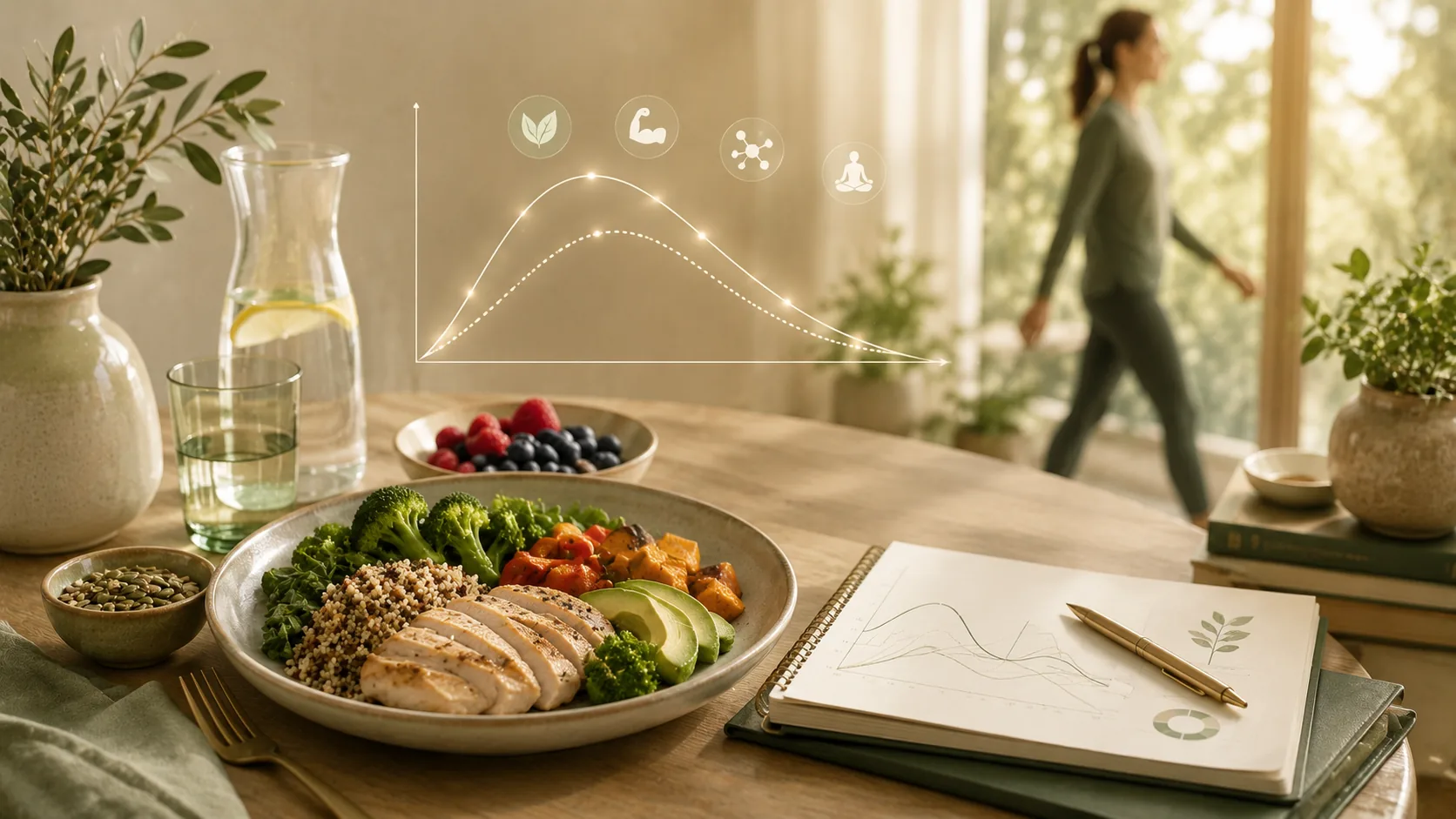
Sleep, movement, metabolic health, inflammation, nutrition, stress physiology, alcohol, smoking, muscle mass, and chronic disease burden can all influence aging biology. Some factors are modifiable; others are not.
What to be careful about
Biological-age tests can be interesting, but they are not destiny. Results can vary by test type, tissue, algorithm, and timing. They should be interpreted as one piece of a broader health picture.
SANAVITA perspective
Personalized longevity care focuses less on chasing a single number and more on improving the systems that influence resilience over time.
Practical takeaways
- Longevity medicine should be personalized, measured, and realistic.
- The strongest foundations are usually sleep, movement, metabolic health, nutrition, stress physiology, and reducing avoidable risk.
- Biomarkers and devices are most useful when they answer a clear question and lead to a safe action.
- Supplements, hormones, and advanced testing should be individualized and clinically supervised.
How SANAVITA Health approaches this
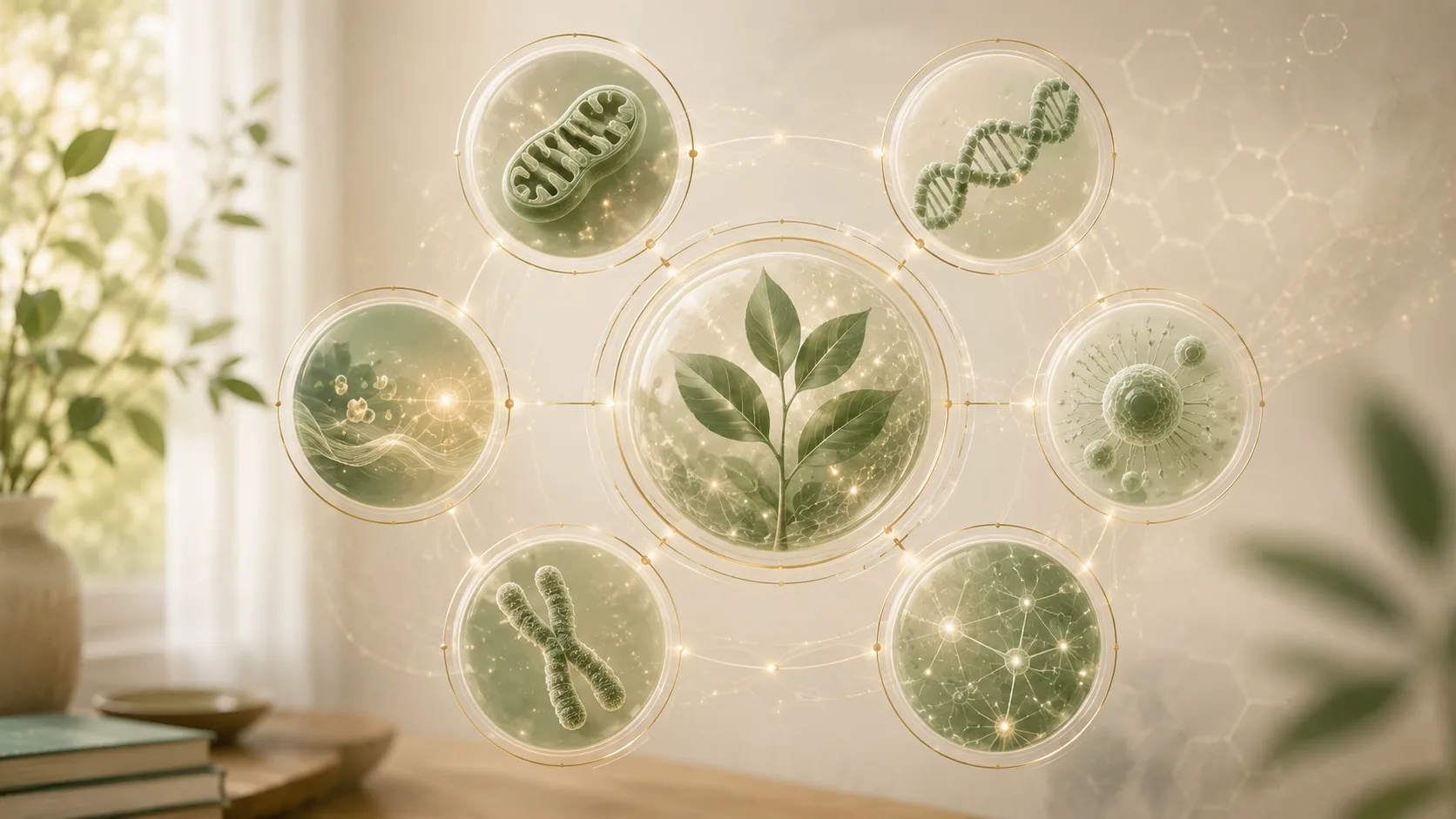
SANAVITA Health approaches longevity through a physician-led, whole-person lens. We focus on education, biomarkers, metabolic resilience, hormonal context, mitochondrial and cellular health, cognitive protection, and sustainable habits that fit the patient’s life.
Research references
- López-Otín C, et al. Hallmarks of aging: An expanding universe. Cell. 2023 https://pubmed.ncbi.nlm.nih.gov/36599349/
- Liang R, et al. Epigenetic Clocks: Beyond Biological Age, Using the Past to Predict the Future. 2024 https://pmc.ncbi.nlm.nih.gov/articles/PMC12539533/
- Justice JN, et al. A framework for selection of blood-based biomarkers for geroscience-guided clinical trials. 2018 https://pmc.ncbi.nlm.nih.gov/articles/PMC6336355/
- World Health Organization. Physical activity fact sheet https://www.who.int/news-room/fact-sheets/detail/physical-activity