The short version
During chemotherapy, the goal of eating is not perfection — it is keeping your strength. That means getting enough protein and enough calories, staying hydrated, and adapting what you eat to how you feel on a given day. There is no single "anti-cancer" food that matters more than these basics, and restrictive diets can make them harder to achieve. This guide covers how much protein to aim for, what to eat on infusion days, how to handle nausea, taste changes and mouth sores, what food safety actually requires, and how to think about supplements.
The goal: strength, not perfection
During treatment, the priority is often to preserve strength, hydration, lean mass, treatment tolerance, and quality of life. "Perfect" eating is not the goal. A practical plan changes based on appetite, nausea, constipation, diarrhea, mouth sores, taste changes, blood counts, and weight trends (National Cancer Institute, Nutrition During Cancer Treatment).
European clinical nutrition guidelines for people with cancer are clear on the principle: nutrition should be checked regularly, and when intake falls short, support should step up in stages — from practical advice, to oral nutrition supplements, to more intensive support if needed — and should always be paired with physical activity (Arends, Clinical Nutrition, 2017).
Protein comes first
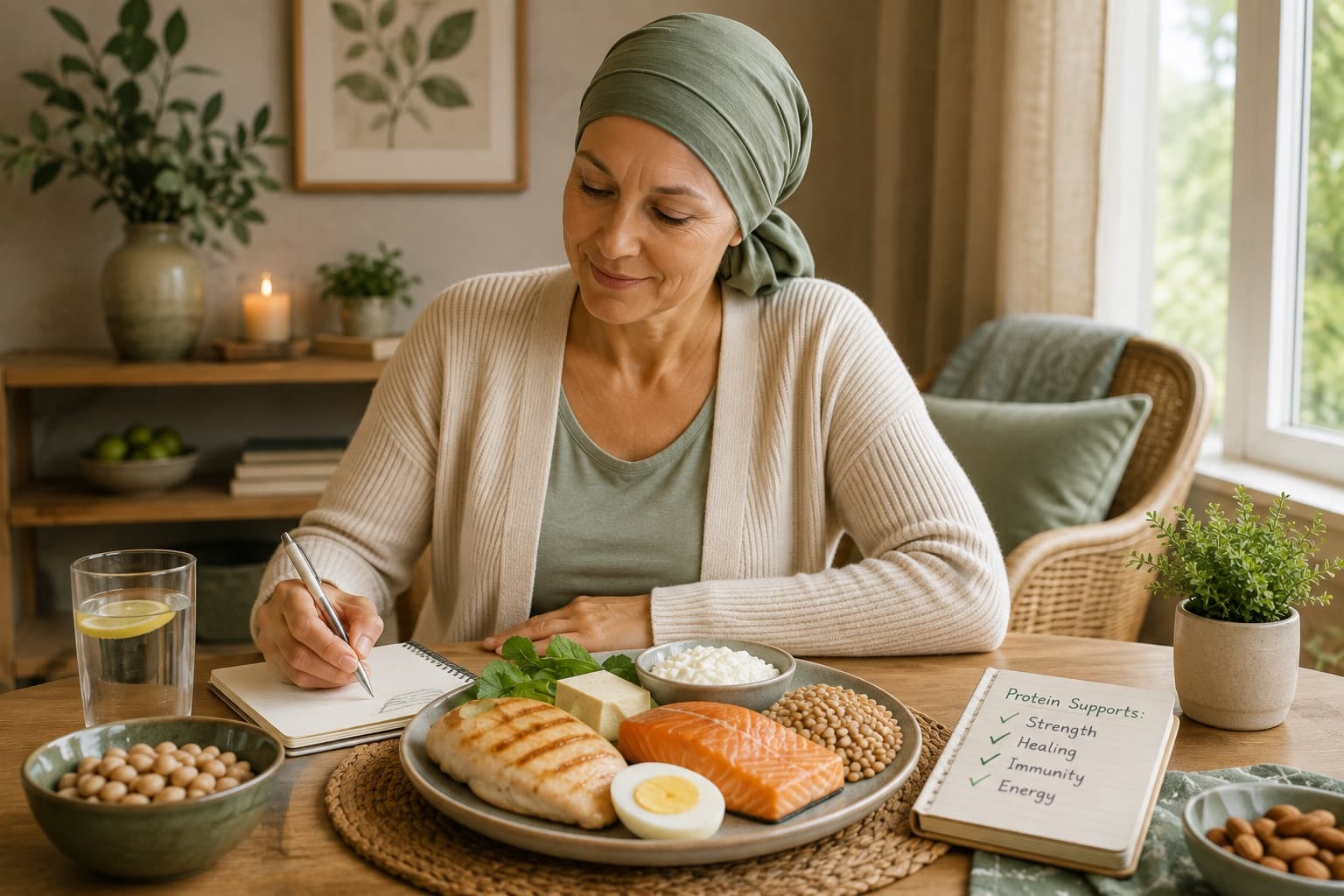
Chemotherapy, inflammation and reduced activity all push the body toward losing muscle, and muscle loss is common even when weight looks stable. That is why protein needs rise during treatment. The European guidelines recommend protein intake above 1.0 gram per kilogram of body weight per day, with a target range of 1.2 to 1.5 g/kg/day (Muscaritoli, Clinical Nutrition, 2021). For a 70 kg (154 lb) person, that is roughly 84 to 105 grams a day.
Spreading protein across the day helps more than eating most of it at dinner. Practical sources include eggs, fish, poultry, tofu, Greek yogurt, cottage cheese, beans, lentils, milk or fortified soy milk, nut butters, and smoothies made with yogurt or protein powder. Our article on protein during cancer treatment goes into the details.
Calories count too
When appetite is low, the risk is not eating too much — it is eating too little. If you are losing weight unintentionally, energy-dense choices help: olive oil drizzled over food, avocado, nuts and nut butters, full-fat dairy if you tolerate it, and smoothies. Oral nutrition shakes can fill the gap on difficult days. This is the opposite of standard healthy-eating advice, and it is temporary: the priority during treatment is meeting your needs.
Eat by the clock, not by appetite
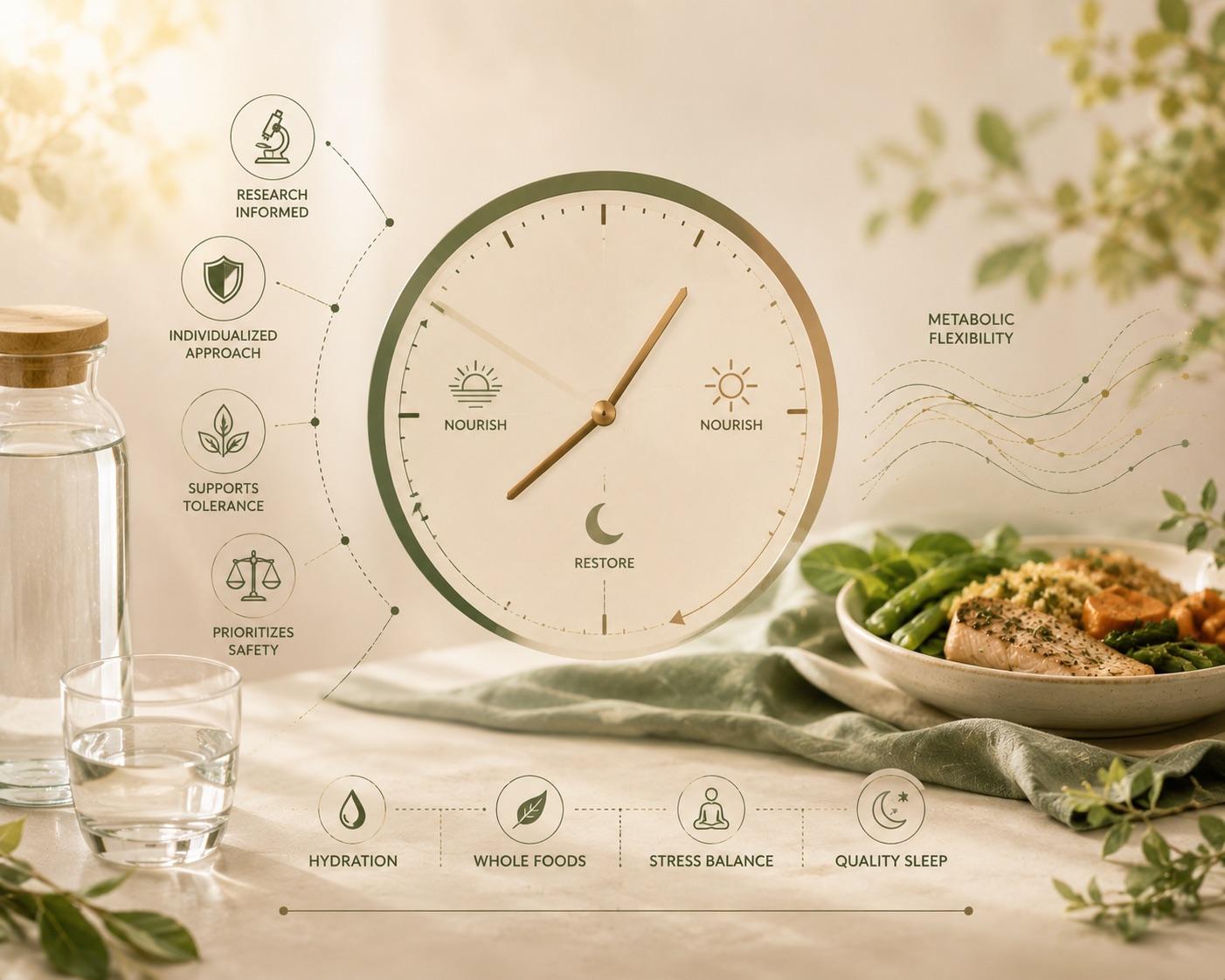
Chemotherapy often blunts hunger, so waiting until you feel hungry can mean eating very little. Many people do better with small meals or snacks every two to three hours, set by the clock. Keep easy options within reach — yogurt, crackers, cheese, fruit, soups, a shake — so eating takes as little effort as possible on low-energy days.
On infusion days
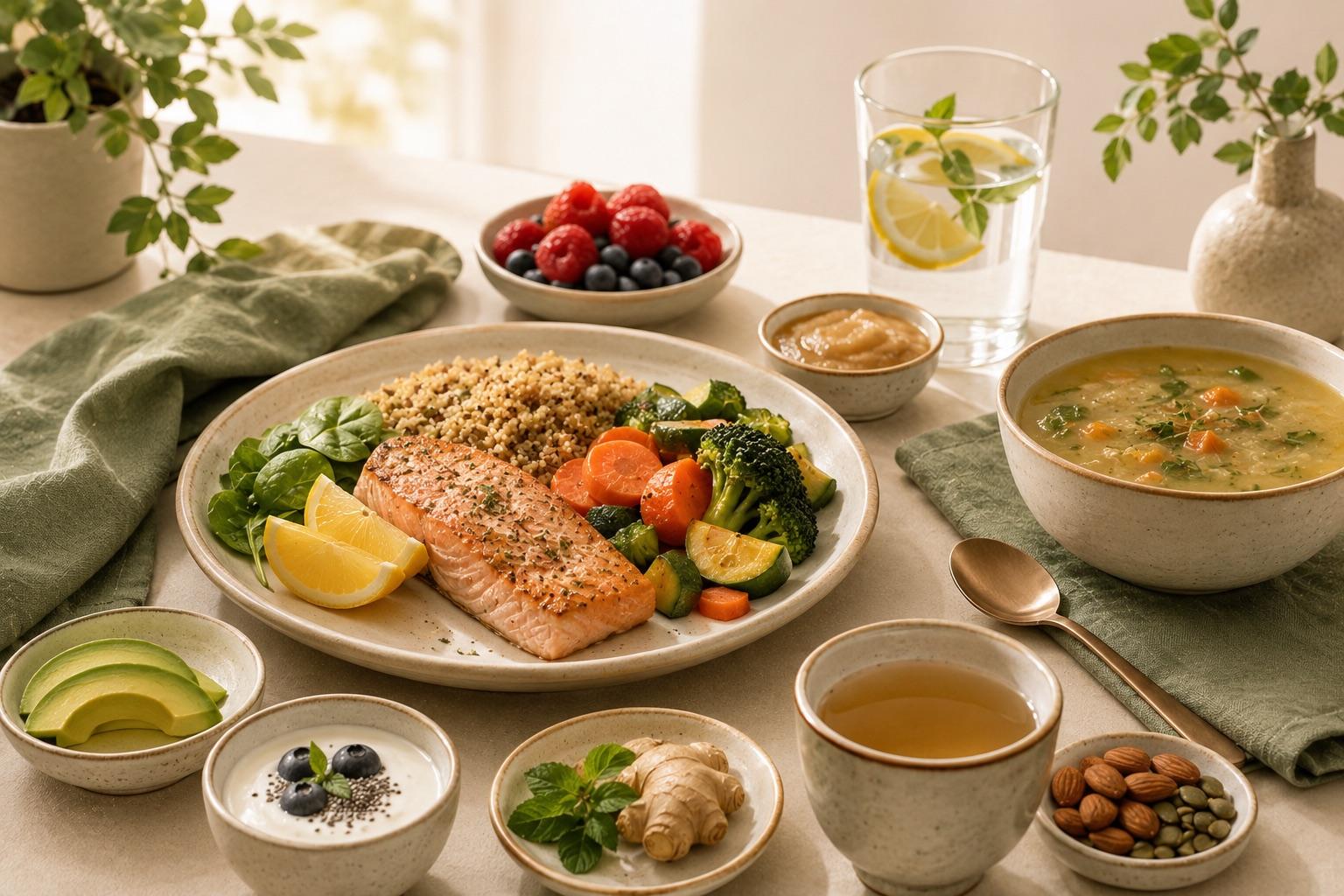
Many patients tolerate smaller, lighter meals better on chemotherapy days. Bland foods, ginger tea, crackers, soups, smoothies, and frequent small portions can be easier than large heavy meals.
A note on ginger: it is popular and generally safe as a food, but the National Center for Complementary and Integrative Health reports that it is uncertain whether ginger adds benefit to standard anti-nausea treatment during chemotherapy (NCCIH, Ginger). If you take other medicines, check with your team before using ginger supplements, since some herbs and medicines interact. Take the anti-nausea medicines your oncology team prescribes as directed, and treat ginger as an optional extra.
Managing common side effects
- Nausea: small, frequent, bland meals; cold or room-temperature foods (which smell less); sipping fluids between rather than with meals; and taking prescribed anti-nausea medication on schedule rather than waiting for symptoms.
- Taste changes: if food tastes metallic, plastic utensils and tart flavors such as lemon can help; if food tastes of nothing, herbs, spices and marinades can add interest.
- Mouth sores: soft, moist, non-acidic foods; avoiding very spicy, salty, crunchy or very hot foods; and gentle mouth care as recommended by your team.
- Constipation: fluids, fiber as tolerated, and gentle movement — and tell your team, since some anti-nausea and pain medicines cause it.
- Diarrhea: fluids with electrolytes, and smaller, lower-fiber, lower-fat meals until it settles — and call your team if it is severe or persistent.
The National Cancer Institute's "Eating Hints" guide has practical, detailed suggestions for each of these (National Cancer Institute, Eating Hints).
Food safety, without unnecessary restriction
Patients with low white blood cells or immunosuppression should follow their oncology team's food-safety guidance. Handwashing, safe food storage, avoiding undercooked meats/eggs, and avoiding unpasteurized foods may be important.
What is not needed is a highly restrictive "neutropenic diet." The American Society of Clinical Oncology's guideline found that neutropenic diets did not reduce the risk of infection during cancer treatment and recommends against them (Ligibel, Journal of Clinical Oncology, 2022). Safe handling and cooking matter; giving up fresh fruit and vegetables generally does not.
Special diets and fasting
Many patients hear about ketogenic diets, juice cleanses, or fasting around chemotherapy. Restrictive approaches can make it much harder to meet protein and calorie needs at exactly the time those needs are highest, and any plan that causes unintended weight loss deserves caution. If you are considering fasting, we cover what the research actually shows in a separate article, and it should only be done with your oncology team's agreement.
Supplements during chemotherapy
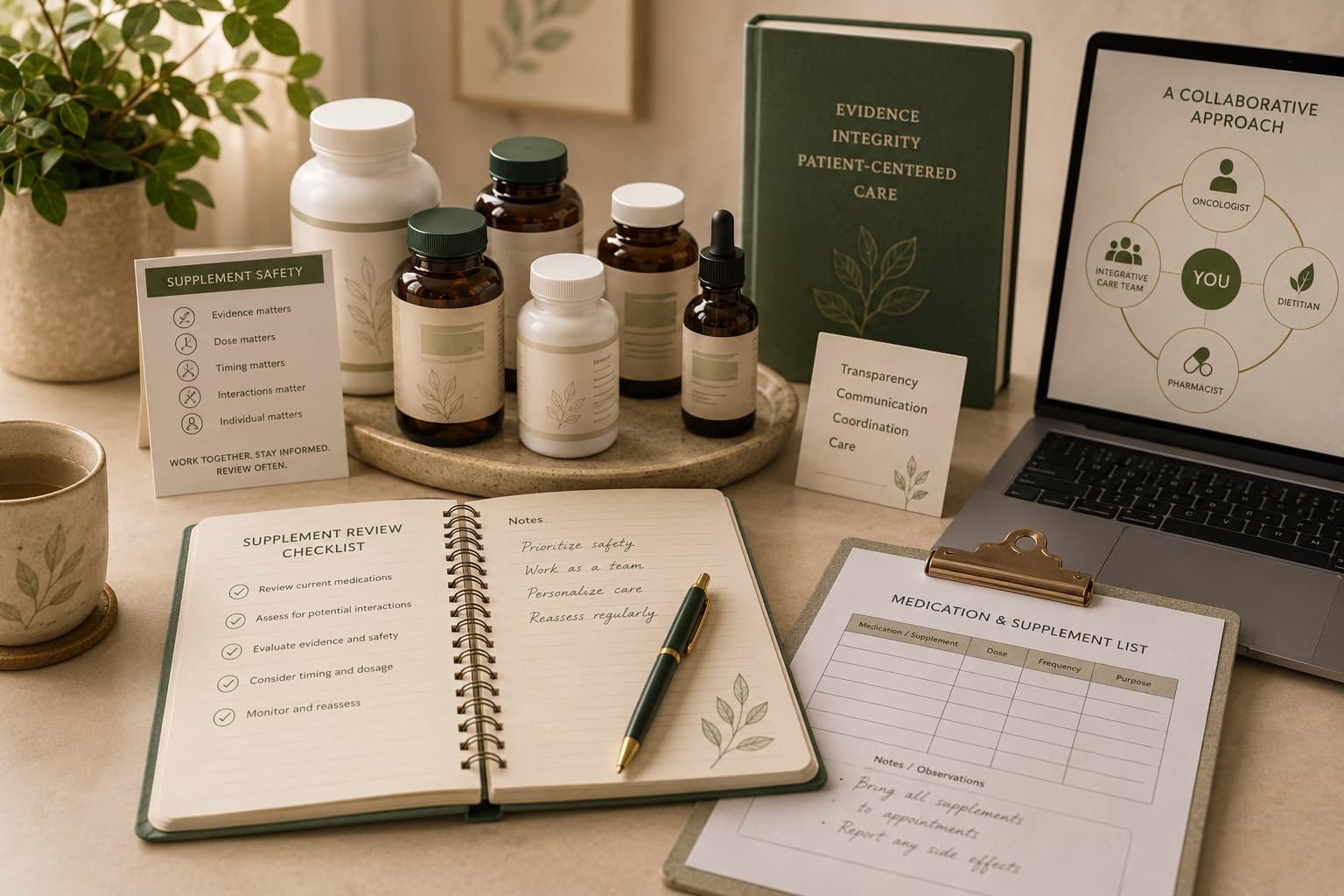
It is tempting to add vitamins and antioxidants "to be safe," but more is not automatically better during treatment. In a large breast cancer trial, use of antioxidant supplements both before and during chemotherapy was associated with a higher risk of the cancer returning — an observational finding that fell just short of statistical significance, but a reason for caution (Ambrosone, Journal of Clinical Oncology, 2020). Check every supplement with your oncology team before and during treatment; our article on supplements during cancer treatment covers this in depth.
When to call your team
Weight loss of 5% in a month or 10% in six months should be reported to your oncology team. So should being unable to keep food or fluids down, signs of dehydration such as dizziness or very little urine, painful swallowing, or diarrhea or vomiting that does not settle. These are common, treatable problems — and treating them early helps you stay on schedule with chemotherapy.
Practical takeaways
- Protein and calories matter more than any specific "anti-cancer" food.
- Aim for 1.2–1.5 g of protein per kilogram of body weight per day, spread across the day.
- Eat by the clock rather than by appetite, and keep portions small and frequent.
- Food safety matters when your counts are low — ask your team what applies to you — but a restrictive neutropenic diet is not recommended.
- Check every supplement with your oncology team, and report weight loss of 5% in a month or 10% in six months.
How SANAVITA Health approaches this
SANAVITA Health provides physician-led integrative oncology education and support with a focus on clarity, safety, whole-person care, and collaboration. The goal is to help patients understand their options, reduce avoidable risk, and build a supportive plan that fits their diagnosis, treatment phase, values, and care team recommendations.