The short version
The trillions of microbes in your gut talk to your immune system, and research now links them to how well some cancer treatments work, especially immunotherapy. The most consistent signals so far: antibiotics around the time of immunotherapy are associated with less benefit, a fiber-rich diet is associated with better results, and probiotic supplements may not help and could even get in the way. Fecal transplants are being tested in trials. Meanwhile, commercial stool tests promise more than they can deliver. This article explains what is known, what is not, and how to use the science safely.
Why the microbiome is getting attention
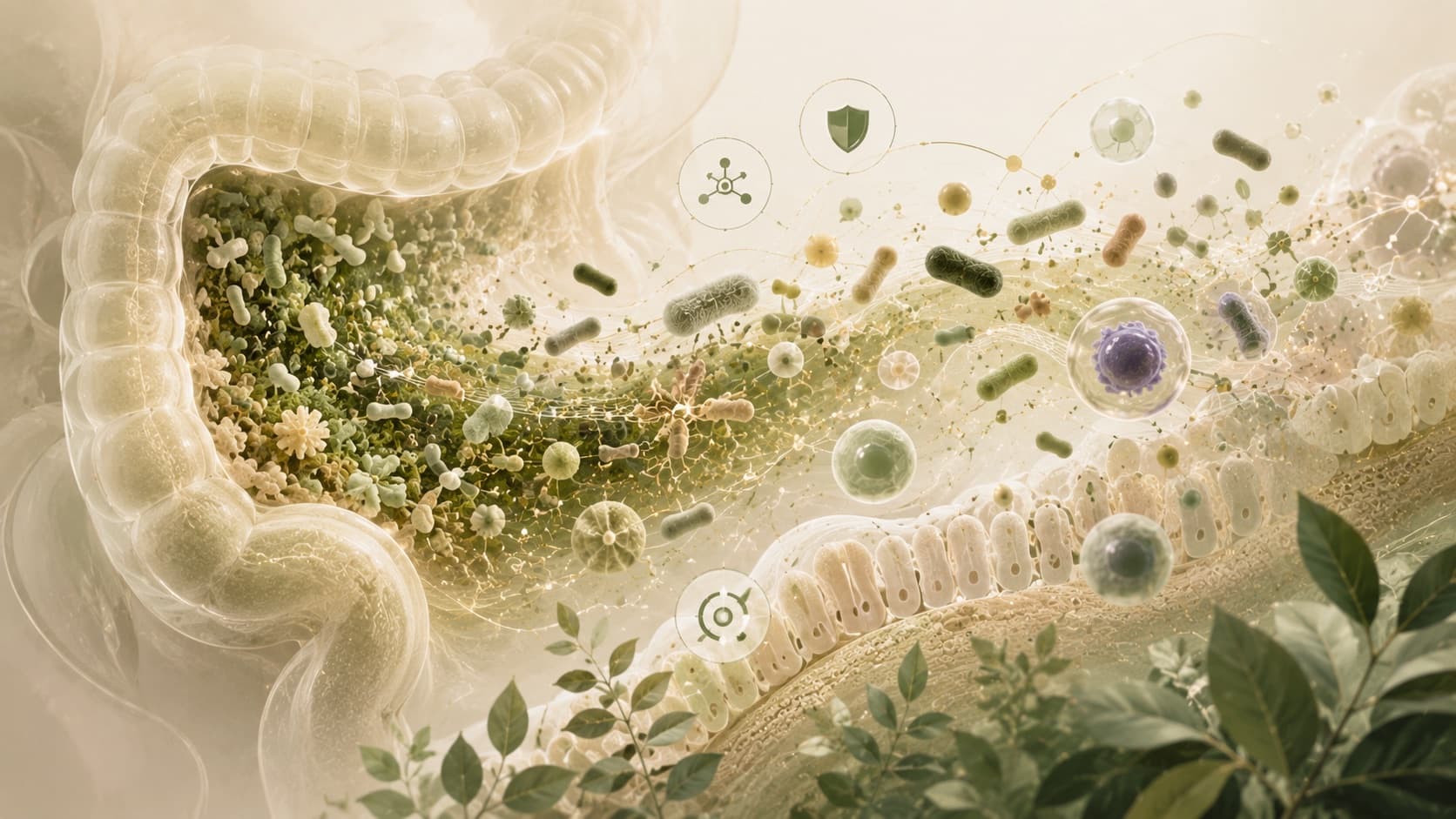
The gut microbiome communicates with the immune system, produces metabolites, influences inflammation, and may affect treatment response, especially in the setting of immunotherapy. Research is promising but still evolving (Kang, Cell Reports Medicine, 2024).
What we know and do not know
Studies suggest that microbiome patterns can correlate with response and toxicity in some patients receiving immune checkpoint inhibitors. However, microbiome testing is not yet a universal decision-making tool for all cancer patients (Gazzaniga, Journal of Clinical Investigation, 2025).
The key studies, in brief
- Antibiotics. In patients with advanced cancer, antibiotic use was associated with less benefit from checkpoint inhibitors. When stool from patients who responded was transplanted into mice, it improved their response to treatment; stool from non-responders did not (Routy, Science, 2018). This is not a reason to refuse antibiotics you need.
- Fiber and probiotics. Among 128 people with melanoma receiving checkpoint inhibitors, higher dietary fiber intake was associated with significantly longer progression-free survival, with the most pronounced benefit in people who ate enough fiber and did not take probiotics. In mice, a low-fiber diet or probiotics impaired the response to treatment (Spencer, Science, 2021).
- Fecal transplants. In a small trial of 15 people whose melanoma had stopped responding to anti-PD-1 immunotherapy, a fecal transplant from patients who had responded, given with anti-PD-1 therapy, produced clinical benefit in 6 (Davar, Science, 2021). Responses to fecal transplants are variable, and the approach remains investigational (Gazzaniga, Journal of Clinical Investigation, 2025).
What microbiome tests measure
Commercial stool tests may report bacteria, diversity markers, pathogens, inflammatory markers, short-chain fatty acid patterns, digestive markers, or functional predictions. The specific markers vary widely by company.
Why oncology patients ask about testing
Patients often want to understand digestion, inflammation, immunotherapy response, diarrhea, constipation, bloating, or antibiotic recovery. The microbiome is relevant, but the science is still evolving (Gazzaniga, Journal of Clinical Investigation, 2025).
Limits of microbiome testing
A stool test is a snapshot. Results can change with antibiotics, diet, travel, infections, bowel prep, medications, and treatment. It should not be used alone to predict cancer outcomes or replace oncology decision-making (Kang, Cell Reports Medicine, 2024).
How to use results responsibly
Testing may be useful when it leads to safe, practical decisions: food tolerance work, fiber strategy, protein adequacy, bowel regularity, infection follow-up, or referral coordination.
Food first when possible
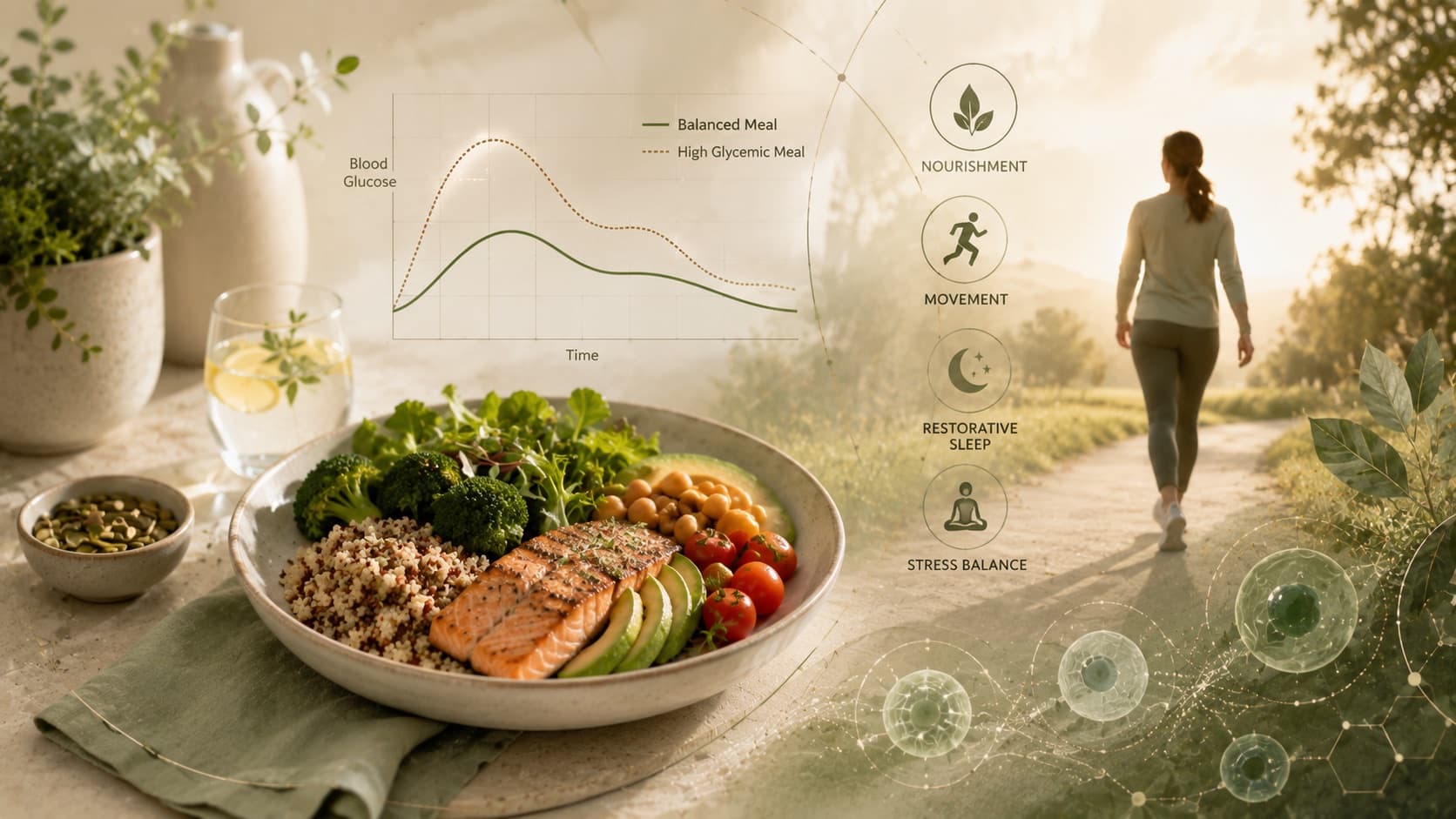
A diverse, plant-forward diet with adequate protein may support microbial diversity, but recommendations must change when patients have diarrhea, bowel surgery, obstruction risk, mucositis, neutropenia precautions, or treatment-related digestive changes.
Be careful with probiotics
Probiotics are not automatically safe or appropriate for every oncology patient. Immune status, central lines, blood counts, infection risk, and treatment type should be considered.
Practical takeaways
- The link between gut bacteria and immunotherapy response is real research — and not yet a clinical test.
- Dietary fibre has better evidence than commercial probiotics; one melanoma study found probiotic users responded less well.
- Never decline antibiotics your team has prescribed because of microbiome concerns.
- Faecal transplant for cancer is investigational and belongs in a clinical trial.
- No commercially available microbiome test is validated to predict whether your immunotherapy will work.
- Results shift with antibiotics, diet, travel, bowel prep and even the laboratory used — a stool test is a snapshot.
- The genuinely decision-changing markers are intestinal inflammation (calprotectin) and pancreatic enzyme function (elastase).
- A “dysbiosis” score is not a diagnosis and is not a reason for antimicrobial treatment.
How SANAVITA Health approaches this
SANAVITA Health provides physician-led integrative oncology education and support with a focus on clarity, safety, whole-person care, and collaboration. The goal is to help patients understand their options, reduce avoidable risk, and build a supportive plan that fits their diagnosis, treatment phase, values, and care team recommendations.